Showing posts with label Mountain Top Removal. Show all posts

Saturday, December 15, 2012

Restoring Three Forests


I follow with interest the growth of replacement forests in three areas, the mountains of Appalachia, the highlands of Ethiopia, and the flat bottomland of the Arkansas Delta. Efforts are being made to correct man-made removal of natural forests from each of these areas. The work in the mountains of Appalachia is centered on areas exploited for a surface coal mining technique known as “mountain-top removal.” Our friend, beekeeper and author Tammy Horn, is instrumental in bringing people and resources together to change coal mining reclamation sites from hard packed gravel beds into forests designed to increase forage for honey bees and native pollinators. Writing in the newsletter of The American Chestnut Foundation, http://www.acf.org/newsletter11.21.12honeybees.php, Tammy describes the work of her Coal Country Beeworks. While establishing a beekeeping cottage industry, the group is planting the mountains of eastern Kentucky and West Virginia in native trees including sourwood, a famous source for premium honey. The mountain-top restoration efforts also include the planting of American chestnut trees from blight-resistant seedlings. The American Chestnut Foundation and the Appalachian Regional Reforestation Initiative are working to replace the native chestnut, which once accounted for one third of the trees in the southeastern forests. The tree was valuable for its lumber and important as a food source of wildlife.

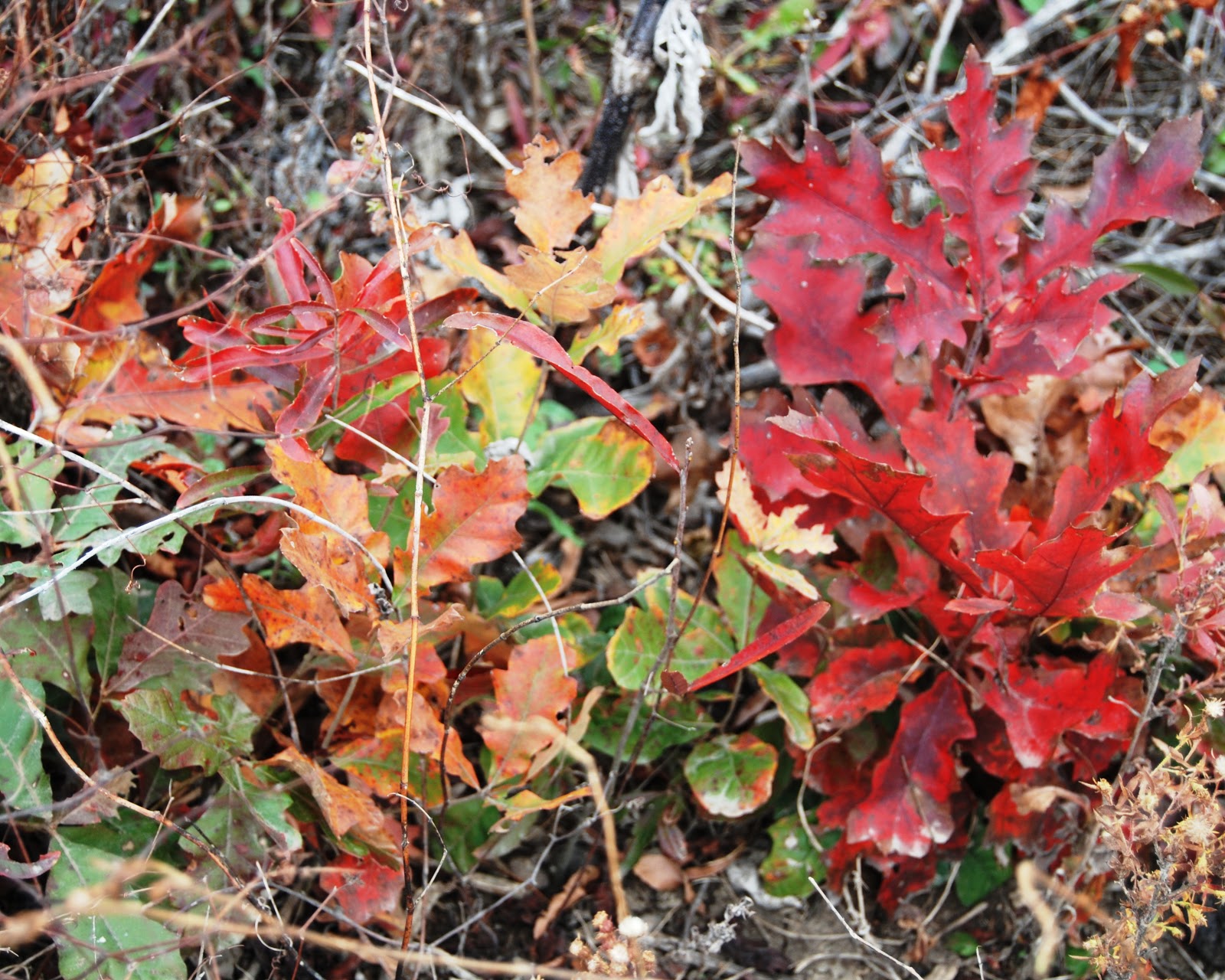
Beekeepers of Ethiopia rely upon forest nectar sources to produce honey as a staple of their agriculture. They are planting highly erodible volcanic slopes of the Bonebunga Area of western Ethiopia in trees to restore land previously cleared for planting crops. They protect the forests from poaching for firewood and building materials by “social fences,” imaginary protective fences built in the minds of those served by the forest. The third replacement forest is a Wetland Reforestation Project on Peace Farm on a tributary of the Mississippi River. We planted native hardwood trees to prevent soil erosion. Today’s picture shows native oaks, hand planted from seed, competing for sunlight. Bayou ridges include nectar source plantings to support honey bees.
--Richard

Wednesday, April 13, 2011

Advocate for Pollinators

A story in The New York Times paints a picture of the changing landscape of Appalachia. Not only are the communities gradually disappearing, the silhouettes of the mountains themselves are. The descriptive Times piece, “As the Mountains Fall, a Coal Town Vanishes,” (http://www.nytimes.com/2011/04/13/us/13lindytown.html?) reveals how coal mining is shifting from underground work in mines to mountain top removal. The process involves removing the trees, soil, and rock, what the coal companies call “overburden,” to expose coal. The coal is heavily relied upon to provide energy to power our industrial world. In accessing the coal, large volumes of removed soil and rock are dumped and dozed into ravines to form a shape called an “approximate original contour.” This reclamation process often turns the thin mountainous topsoil under the removed rock and gravel leaving a surface unsuitable for vegetative growth. Even when the rubble is fertilized, mulched, and seeded, plants and trees do not thrive. Valleys and creeks are often filled with rubble as well. Our eastern Kentucky beekeeping friend, Tammy Horn, received the Pollinator Advocate award from the North American Pollinator Protection Campaign for her efforts to encourage and guide the coal companies in changing mountain top removal practices to be more environmentally favorable. New approaches to reclamation include reduced compaction of soils and plantings of bee plants like American chestnut, sourwood, and understory herbs. Tammy is working to establish a cottage industry of beekeeping in the economically depressed coal mining region of Eastern Kentucky and West Virginia. Tammy has been a true advocate for both the pollinators and the people of Appalachia.

Click on today’s photo of a honey bee heavily laden with pollen from apple blossoms. Apples, members of the important family of bee plants, the roses, rely upon bees for pollination. Without the bees, no fruit is produced. Apples, which contain both soluble and insoluble fibers, are known as a healthy food. Apples are blooming in the Mid-South. The apple bloom is another landmark on the beekeeper’s calendar.
--Richard

Monday, March 15, 2010

Pollination in Kentucky

The state of Kentucky is in the process of turning mountain lands of Appalachia that have been used for surface mining of coal into habitat for honey bees and native pollinators. The Kentucky Senate passed a pollinator bill that acknowledges current efforts to make mine reclamation more environmentally responsible by allowing pollination sites to be established on reclaimed land. The efforts also involve planting of trees and undercanopy plants that are attractive to bees and other pollinators. Among the trees being used for reforestation are sourwood and American chestnut. Bees make famous honey from sourwood grown at elevation in the mountains. The American chestnut is being restored after being decimated by blight in the 1900s. Not only are the Kentucky efforts restoring the foliage in the mountains, they are starting a beekeeping industry to provide economic opportunities in Appalachia. Among those who have been working to change the mine reclamation practices is Tammy Horn, who helped establish the Coal Country Beeworks. The Beeworks is training beekeepers and placing honey bee hives on former mining sites. The sites employed a type of mining known as mountain top removal, a technique in which rock and coal are removed without drilling mine shafts. Tammy Horn, the author of Bees in America: How the Honey Bee Shaped a Nation, wrote a piece in today’s New York Times about the honey bee. To read an interesting description of the evolution of our honey bee, its worldwide spread by humans, and its use by beekeepers visit http://www.nytimes.com/info/bees/. I congratulate Tammy and all who are working to restore pollinator habitat in Appalachia. They are helping the local economy while building a “honey corridor” in the region.

Today’s photo shows a honey bee collecting nectar from forsythia, an old-time favorite shrub and one of the first colorful plants to bloom in the late winter. The honey bees learn to access the forsythia’s nectary from the sides of the blossom, reaching the nectar between the flower petals.
--Richard

Friday, February 19, 2010

Kentucky Provides for Bees

The Kentucky legislature is in the process of codifying into law the environmental practices that the coal companies have started using as they reclaim the land used in surface mining. The mining procedure is called mountain top removal. Just as the name implies, the entire tops of mountains are being removed to extract coal. The procedure is considered safer and more economical than digging mines into the earth. One serious problem with mountain top removal is rebuilding the terrain in a suitable manner using the rubble from the mining effort. The shape of the land and water courses must be rebuilt. The rocky soil must be compacted enough to safely hold in place. One of the problems with the compaction efforts has been the fact that trees and understory plants do not grow well in the hard, compacted soils.

When the case was presented to Kentucky’s House Standing Committee on Natural Resources and Environment, the representatives voted unanimously in favor of the bill to continue the efforts to restore pollinator habitat and forage on reclaimed surface mining land. The mining companies will plant trees and understory foliage plants that provide habitat and food for honey bees, bumble bees, and other native pollinators. Coal Country Beeworks is placing honey bee hives on reclaimed mining sites and training individuals to build a beekeeping industry in the Appalachian Mountains of Eastern Kentucky. They have plans for developing a queen bee raising program with the goal of producing queen bees that are suitable for the local area. A part of the restoration effort is the planting of trees and understory plants that are beneficial to pollinators. These plants will include sourwood trees, famous for honey, and the American chestnut tree. This native tree once comprised one third of the forest before it was decimated by blight. Today’s picture, following an environmental note, is a young raccoon that Rita and I found living in one of our wood duck nesting boxes. Congratulations, Kentucky friends.
--Richard

Monday, February 8, 2010

Repairing Damaged Mountains

Tammy Horn is a soft-spoken beekeeper who has been able to move people who literally move mountains. Coal mining companies in the mountains of Appalachia have been increasingly employing a technique of mining called mountain top removal to extract coal without digging mine shafts. As the name implies, the tops of mountains are taken apart and the coal removed, leaving the rubble of remaining rock and soil. Following land restoration rules which were not designed to optimize the environmental effect, the coal companies restore the scarred landscape by pushing the rubble into contours. The rubble is then compacted using heavy machinery. Tammy, who grew up in Hazard, Kentucky and learned beekeeping from her grandparents, recognized the potential for using the restored coal mine land for beekeeping. There exists a need for economic development in Appalachia, and Tammy sees in beekeeping a potential cottage industry. The area is also the natural range for some of the best of the honey plants: tuliptree, black locust, and sourwood. Tammy helped convince the coal companies that they could alter their reclamation techniques to make the mountain soil suitable for growing nectar-producing trees and plants. The magnificent American chestnut is even being reintroduced into its native Appalachian range.

Go to http://planetgreen.discovery.com/travel-outdoors/coal-mines-bee-friendly.html to follow the great environmental work that the coal companies, universities, foresters, and beekeepers are doing to improve life and the environment in what Tammy sees as a “honey corridor” in Eastern Kentucky and West Virginia. She wants to put bee hives on the 33,000 acres of reclaimed coal mine land and establish “genetic islands” of honey bees. Today’s photo, taken by Alice Jones, shows Tammy Horn and her colleague, Allen Meyers, working bees at the James River Coal site near Hazard, Kentucky. There’s yellow clover in the foreground and sourwood in the margins of the forest. Tammy is the author of an excellent history, Bees in America: How the Honey Bee Shaped a Nation. I’m anxiously waiting for her next book.
--Richard